Skeleton Meal Plans vs. Recipe-Based Meal Plans: Why I Evolved—and Why You Might Want to Too
Today, I want to take you behind the scenes into something that’s evolved in my own coaching practice over the years—something that might seem small on the surface but actually makes a huge difference in client success, motivation, and long-term results. We’re talking about how you structure a meal plan.
Now before you roll your eyes and think, “Girl, a meal plan is a meal plan,” hold up. Because the way you set up a meal plan can be the very thing that either sets someone free… or keeps them stuck in frustration, confusion, or burnout. And I know this firsthand because I’ve been on both sides of it—not only as a coach but as an athlete, a busy professional, and someone who loves food and also loves results.
What Is a Skeleton Meal Plan?
Let’s rewind.
For years, when I programmed for clients—especially those looking to lose fat, gain muscle, or prep for a show—I used what I call a skeleton meal plan. That’s where I’d break down the day by meals—Meal One, Meal Two, Meal Three, sometimes a snack—and each of those meals would be built using exact amounts of foods.
So something like:
- Meal One: 40g dry oats, 2 whole eggs, 1 serving of fruit, 10g almonds
- Meal Two: 120g chicken breast, 1 cup mixed greens, 50g avocado, 1 tbsp olive oil
- Meal Three: 140g steak, 100g cooked rice, 1 cup of vegetables of your choice
It was clean, it was clear, and it gave clients a flexible but structured guideline. They could swap out types of veggies or proteins as long as the macros matched, and for years—it worked.
This is how I was trained. It’s how I prepped. It’s how I got results with hundreds of clients. But here’s the thing—not everybody thrives in that environment.
Some people love the freedom. Others? They just want to be told exactly what to do—no guesswork, no calculations, no “wait, how do I cook this?” Just: tell me what to eat, how to make it, and let’s go.
That’s where the shift began.
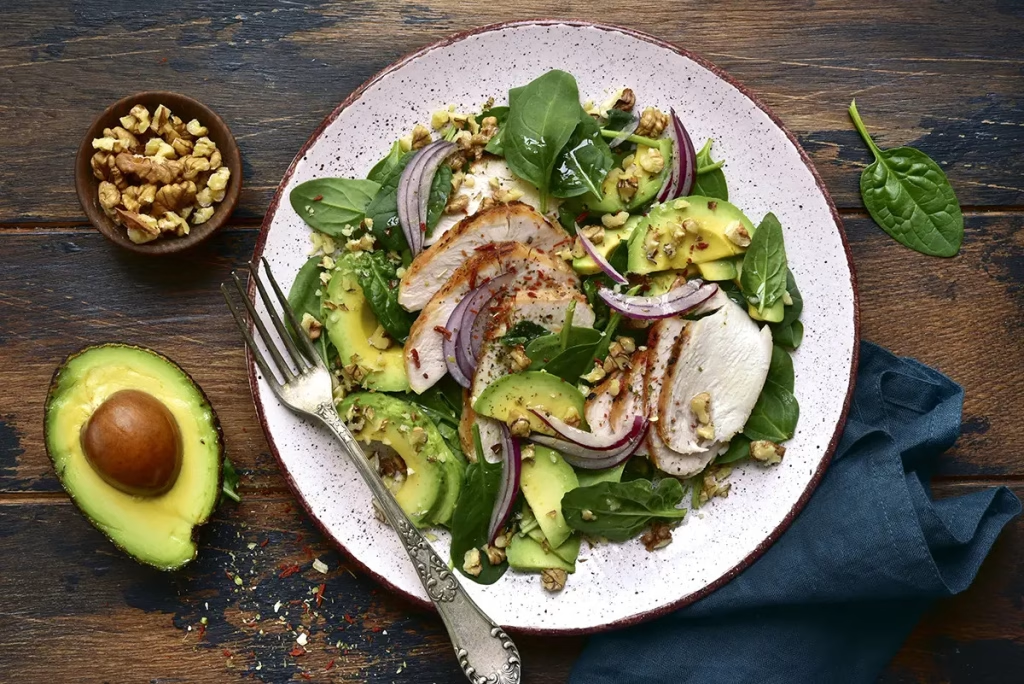
The Rise of Recipe-Based Meal Plans
When I started using my coaching app—which now allows me to build incredibly detailed, easy-to-follow plans—I realized the game had changed. And for clients especially, this was a whole new level of support.
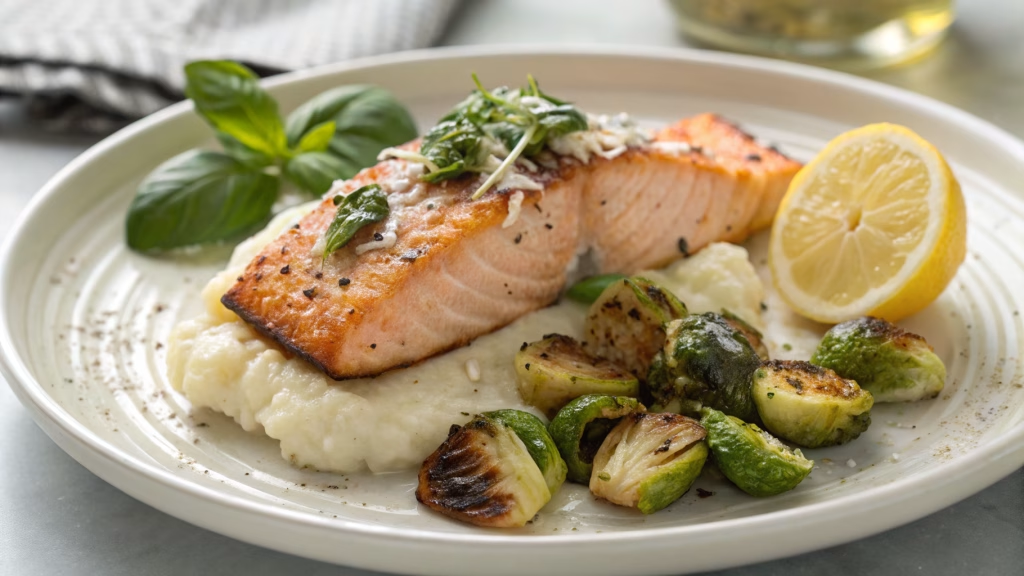
Now, instead of just listing food items and portions, I give full recipes. Like:
Beef Steak with Tomato Mushroom Sauce
– 140g pasture-raised steak
– 1 cup mushrooms
– 1 medium tomato
– Garlic, onions, olive oil
– Cooking instructions
– Full breakdown of calories and macros
It’s all there. Everything they need. Ingredients, spices, cooking method, even substitutions if they’re feeling creative.
And look—when I started using this system myself? I fell in love. I’ve got my favorite go-to’s now—like the Berry Blast Shake for breakfast or a post-workout meal, and that Beef Steak dish I just mentioned? Yeah, it slaps. Super easy, super flavorful, and totally aligned with my macros.
And here’s the real kicker: clients started saying things like this…
“Roxie, I finally understand how much food I should be eating. I don’t feel lost in the kitchen anymore.”
— Tina, 38, busy mom of two, first-time client
“I used to dread meal prep, but now I just pick my recipes, shop once a week, and it’s done. It’s actually fun now.”
— Mary, 42, fitness newbie, working long shifts
It’s not that skeleton plans didn’t work—it’s that this new approach is simply more approachable, more realistic, and more sustainable for most people.
Why It Works
Let me break down why the recipe-based approach has become my go-to, and why I think this is the future of digital coaching and meal planning.
- It removes decision fatigue. People are tired. They don’t want to figure it out every day. Having the full recipe, portions, macros, and prep laid out? That’s freedom.
- It teaches portion control naturally. Clients learn what balanced meals look like and how to fuel properly—even in a deficit.
- It allows flexibility with structure. With the ability to swap recipes from a large library, clients get variety without losing alignment with their goals.
- It acknowledges real life. Some days are higher in calories, some are lower. But the focus is on the weekly average—which creates less stress and more consistency.
Walking the Walk
One thing about me? I’m never going to ask my clients to do something I wouldn’t do myself. I’ve been testing this recipe-based system for months. Not only has it made my own prep and tracking smoother, but I’ve genuinely enjoyed my meals more.
I’m a bodybuilder. I’ve been on the hardcore side of meal prep. I know how boring it can get. But even in a deficit, this approach reminds people that you can eat well. Food can still be flavorful, satisfying, and nourishing.
Final Thoughts
So—does that mean skeleton meal plans are obsolete? No, not at all. I still use them in certain coaching situations. For seasoned athletes or people who just want macro targets and freedom, they’re perfect.
But for the vast majority of my clients? Recipe-based planning has changed the game. It’s easier to follow. It’s more enjoyable. It teaches real skills in the kitchen. And it actually helps people stay consistent—which is the secret sauce to any goal, whether it’s fat loss, muscle gain, or just feeling good in your skin.
If you’ve struggled with meal planning in the past… if you’ve ever opened your fridge and felt overwhelmed… if you’re tired of wondering what’s “okay” to eat or how much is too much—I got you. This system is for you.
And if you’re one of my clients, you already know—this is what we do now. It’s not just about food—it’s about freedom.