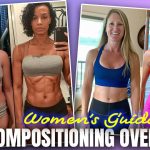
Most women have been taught that getting leaner means eating less, cutting more food, and pushing harder in the gym.
But what if becoming leaner, stronger, and more capable required you to fuel yourself better and become willing to train differently than you ever have before?
At 64, my client Deb reduced her estimated body fat from approximately 21% to 17.8%. She lost body fat, built strength, increased her protein and calories, moved beyond a long-standing plateau, and prepared her body for a roughly 120-mile trek through the Balkans.
Her transformation was not built through starvation, endless cardio, or punishing herself for getting older. It came from having a clear goal, following an individualized strategy, and learning how to work with the body she has today.
Body Recomposition After 60 Is About More Than Losing Weight
When Deb began working with me, she wanted to build muscle, become stronger, get leaner, and finally move beyond the plateau she had been sitting on for some time.
Her starting weight was approximately 120 pounds, with an estimated body-fat percentage of around 21%. By August 2026, she weighed 115.9 pounds with an estimated body-fat percentage of 17.8%.
The scale changed by only a few pounds, but her body composition, strength, confidence, and physical capacity changed considerably.
This is why I continually remind women that weight loss and body recomposition are not the same thing. If we looked only at Deb’s weight, we would miss most of the story. She was not simply trying to become smaller. She was developing a leaner, stronger, and more capable body.
She Got Leaner Without Starving Herself
Deb’s average nutrition setup during this transformation was approximately 1,600 calories per day:
124 grams of protein
159 grams of carbohydrates
52 grams of fat
Instead of slashing her food lower every time progress slowed, we increased her protein, kept her properly fed, and made sure she had enough energy to train and recover.
Protein supported her muscle-building goals, but carbohydrates and fats remained part of the plan. She needed carbohydrates to fuel weight training, cardiovascular work, and hiking preparation. She also needed dietary fat to support her health and make the plan satisfying enough to follow consistently.
There was no award for suffering the most. The goal was to create a nutritional structure that helped Deb become leaner while still having enough energy to live her life and prepare for something extraordinary.
Ready to Work on Your Waistline and Body-Fat Goals?
Download my free Burn That Belly guide for a smarter, more realistic approach to losing body fat and tightening your waistline.
Her Training Had to Match the Life She Wanted to Live
Deb was not training only to look different in a photograph. She was preparing for a trek of roughly 120 miles through the Balkans.
That goal required us to move beyond familiar gym routines and develop strength, endurance, cardiovascular conditioning, and the ability to remain physically capable over long distances and repeated days of hiking.
Her weekly training generally included four days of weight training and five cardiovascular sessions spread across approximately four to five training days. Most of her cardio sessions lasted around 30 minutes, with a longer session of approximately 45 minutes.
The weight-training program helped her preserve and build muscle while losing body fat. Her cardiovascular work improved the endurance she would need for the trek. As her goals evolved, her training had to evolve with them.
That is an important lesson for women at any age. A good program should prepare you for your life. Your workouts should not exist in a sealed little box that has nothing to do with the things you want to experience outside the gym.
Rebuilding Strength After Injury
One of the most meaningful parts of Deb’s transformation involved rebuilding her confidence with exercises such as the deadlift.
An earlier injury had made her understandably apprehensive about pushing herself. That fear was not something to dismiss or bulldoze through. It had to be respected while we gradually rebuilt her strength, technique, and trust in her body.
There is a difference between honoring an injury and allowing fear to write the rest of your physical story.
Good coaching helps you distinguish between the two. It does not tell you to ignore pain or pretend limitations do not exist. It helps you find the appropriate challenge, make intelligent modifications, and continue progressing without treating your body like an enemy.
The Plateau Was Not a Character Flaw
Women often interpret a plateau as evidence that they are lazy, undisciplined, or simply too old to change.
Usually, the situation is far more practical. The body has adapted to the current training stimulus. Nutrition no longer matches the goal. Recovery needs have changed. The program lacks progression, or the woman has been repeating the same familiar exercises without a clear strategy.
The answer is not automatically to eat less or add more cardio. Sometimes the solution is better programming, more appropriate fueling, improved recovery, or an entirely different physical challenge.
Deb’s transformation required her to train in new ways, accept coaching, and become willing to leave behind approaches that were no longer moving her forward.
Is 17% Body Fat the Goal for Every Woman?
No.
Deb’s estimated 17.8% body-fat result belongs to Deb. It reflects her body, preferences, training history, goals, and the specific season she was preparing for.
Seventeen percent body fat is not necessary or appropriate for every woman, and it should not become another number women use to judge themselves.
The real lesson is not that every 64-year-old woman should reach Deb’s exact body-fat percentage. The lesson is that age does not automatically eliminate your ability to build muscle, lose body fat, develop endurance, or take on a new athletic challenge.
The target should serve your life. Your life should not become enslaved to the target.
What Deb’s Transformation Teaches Us
Deb’s story demonstrates what can happen when a woman stops treating strength, health, and adventure as things reserved for her younger self.
She became leaner while eating enough to support her training. She built strength while respecting her injury history. She developed cardiovascular endurance without abandoning weight training. Most importantly, she chose a goal that gave her training a purpose beyond appearance.
At 64, she was not trying to recreate the woman she had been at 24. She was discovering what the woman she is now could still become.
That is the kind of body recomposition I believe in. The visible transformation matters, but so do confidence, autonomy, resilience, and the freedom to use your body for a life that genuinely excites you.
Ready to Rewrite Your Own Story?
You may not need another random workout, restrictive diet, or attempt to piece everything together by yourself. You may need a clear strategy built around your body, your goals, and the season of life you are in now.
If Deb’s story has inspired you to think differently about what might still be possible for you, I would love to talk.