The death of 26-year-old Olympia competitor Alix Small has brought a difficult conversation back to the surface. As an IFBB Pro, a longtime coach, and a woman who once struggled with eating disorders herself, I believe it’s a conversation our industry needs to have.
By Roxie Beckles | Redefining Bodybuilding
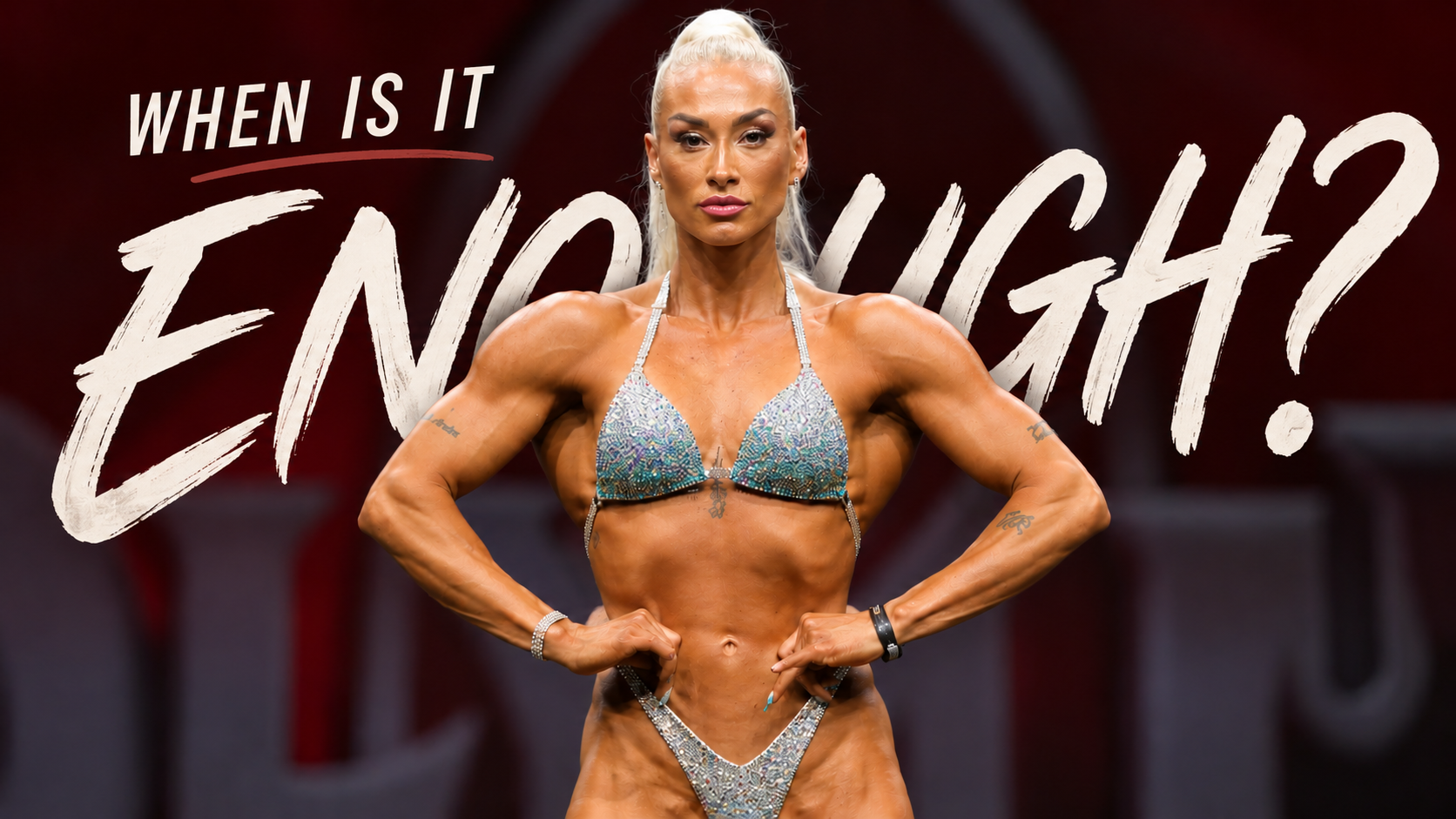
A Young Woman Is Gone. And I Think We Need to Talk.
Another young woman in the bodybuilding community has passed away.
Her name was Alix Small. She was only 26 years old.
Alix was a Scottish IFBB professional Fitness competitor who earned her pro card at just 19, won two professional competitions, and made it to the Olympia stage. By bodybuilding standards, she had accomplished things that many competitors spend their entire careers chasing.
But there was another part of her story that caught my attention.
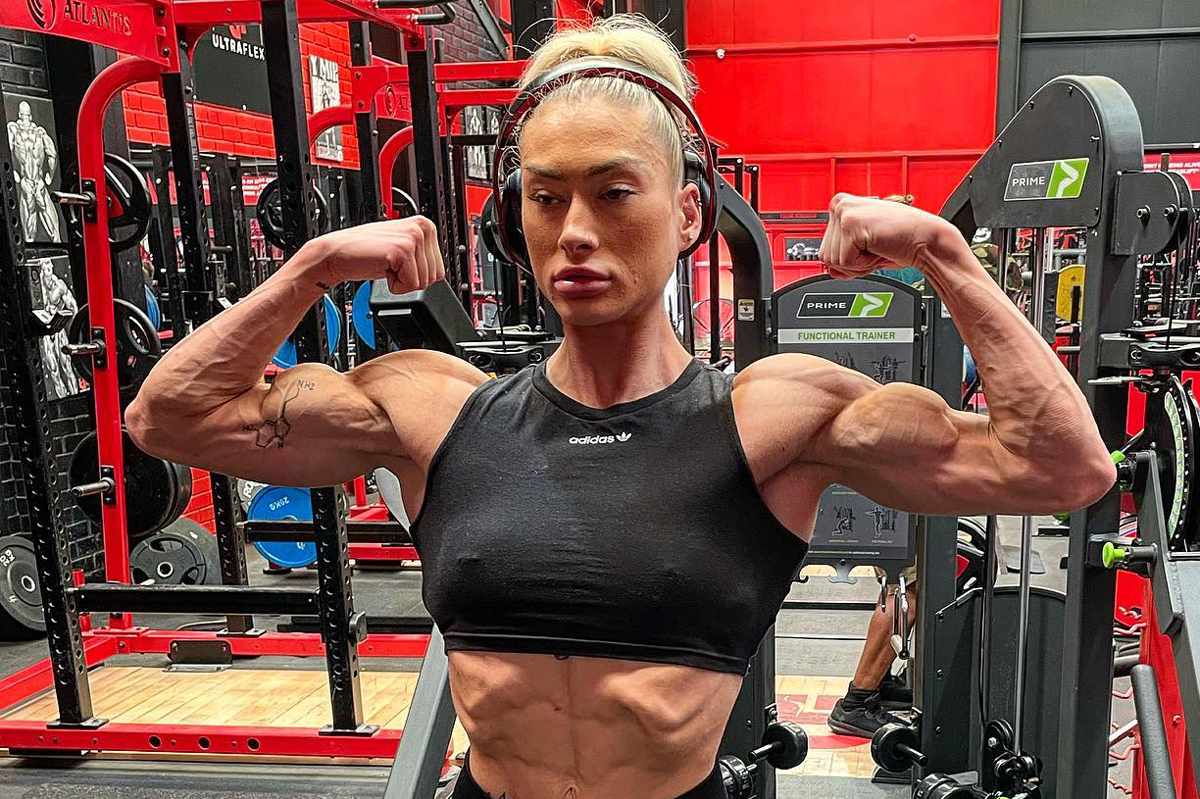
Alix Small, IFBB professional Fitness competitor.
Alix had spoken openly about her struggles with anorexia, which began when she was just 15 years old. She credited bodybuilding with helping her recover, giving her a new relationship with her body and a reason to focus on becoming stronger rather than simply becoming smaller.
And I think that’s important because bodybuilding can absolutely be empowering. I know that firsthand.
But there’s another side of this sport that doesn’t get nearly enough attention.
What happens when the discipline required to become a successful bodybuilder begins to look remarkably similar to the behaviors associated with an eating disorder?
And at what point does the pursuit of excellence become something that is no longer healthy?
Before going any further, I want to be clear about something. In a November 11 interview with The Courier, Alix’s parents, Karen and Mark Small, said she died in her sleep. They described her heart as weakened following her long struggle with anorexia, and her mother said Alix had contracted a virus in the week before her death. Those are her family’s reported observations, not a publicly confirmed medical determination of the cause of death. They do not establish that bodybuilding or contest preparation caused her death.
I’m not going to speculate beyond what her family has shared. Her story deserves more respect than having strangers turn her death into a diagnosis.
But her passing has made me reflect on something I’ve witnessed throughout my career, both as a professional bodybuilder and as a coach. It’s a conversation I’ve been having with competitors for years, and one I believe our industry needs to take more seriously.
I’ve Been on Both Sides of This Conversation
There’s something about my personal history that I haven’t always discussed openly.
Long before I became an IFBB professional bodybuilder, I struggled with eating disorders.
As a teenager, I suffered from anorexia and bulimia. Those struggles followed me into college, and for a significant part of my young life, my relationship with food and my body was anything but healthy.
I know what it feels like when food occupies far too much space in your mind, when controlling what you eat becomes a way of managing how you feel about yourself, and when your reflection has an enormous influence on your sense of worth.
It took therapy, time, and a genuine desire to become healthier to begin changing those patterns.
When I eventually found bodybuilding, my experience was overwhelmingly empowering. For the first time, my focus wasn’t simply on making my body smaller. I wanted to become stronger, and I was fascinated by what I could accomplish through training.
I loved the process of developing muscle and learning how my body responded to different approaches. There was something incredibly satisfying about working toward a physical goal that required patience and skill.
And I still love bodybuilding today.
But I also recognize something now that I didn’t fully understand when I first entered the sport.
The very things that make bodybuilding empowering can also make it dangerous for someone whose relationship with food, exercise, or body image is already fragile.
That doesn’t mean everyone who has struggled with an eating disorder should be permanently excluded from competitive bodybuilding. I certainly wouldn’t make that argument, given my own history.
What concerns me is the possibility of exchanging one obsession for another without ever addressing what’s underneath it.
Someone who once restricted food to become thinner might begin restricting food to achieve a particular level of muscular definition. A woman who previously exercised compulsively might find that her behavior is now celebrated because she’s preparing for a competition.
The goals have changed, but the underlying relationship with food and exercise may not have changed nearly as much as she believes.
And because these behaviors are often considered normal within bodybuilding, recognizing when something has become unhealthy can be surprisingly difficult.
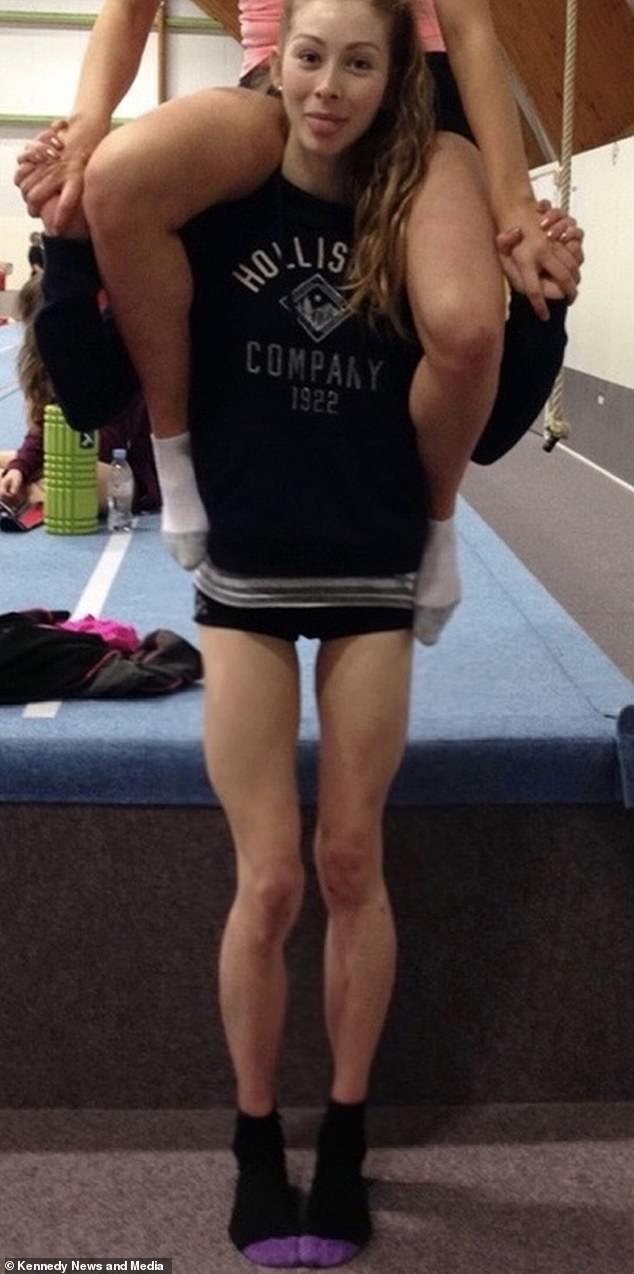
Alix Small shared images reflecting on her earlier struggles with disordered eating and her journey into bodybuilding.
Sometimes the obsession doesn’t disappear. It simply finds a new uniform.
The Young Competitor Who Changed the Way I Coach
I remember working with a young woman more than a decade ago.
She was in her twenties, very petite, incredibly ambitious, and absolutely determined to become a professional bodybuilder.
She wanted that pro card, and she was willing to work for it.
But as our coaching relationship developed, I began noticing things that concerned me. There were patterns around food, her body, and the expectations she placed on herself that didn’t sit right with me.
Eventually, she opened up about some of the struggles she’d been experiencing.
I remember feeling that what she needed at that moment was much bigger than a training program or a contest-prep diet. I was concerned about her emotional well-being and the effect competing seemed to be having on her.
So I advised her to take a step back.
I wanted her to understand that her value wasn’t determined by how lean she could get or whether she eventually earned a professional title. I remember telling her that I genuinely wanted to help her see how valuable she was as a person.
And she looked at me and asked:
“How can you help me?”
I have never forgotten that question.
There was something about the hopelessness in her response that stayed with me. She seemed to be struggling with something much deeper than the frustration of not achieving a particular physique.
At the time, I didn’t have all the language I have today to articulate what I was observing.
I knew what eating disorders looked like from personal experience, but I was still developing my understanding of how mental health and competitive bodybuilding intersected.
That conversation became a turning point in my coaching practice.
I realized that I could be highly knowledgeable about training and nutrition and still encounter situations where those skills weren’t enough.
There are moments when the most responsible thing a coach can do is recognize that a client needs support beyond what coaching can provide. In some cases, that means encouraging someone to seek professional mental health care and reconsider whether competing is appropriate at that particular time.
I’ve had competitors leave my coaching practice because I advised them to step away from the stage.
And I’ll tell you, that’s not always an easy position to be in when coaching is your livelihood.
But I have to be able to live with the decisions I make as a coach.
I cannot knowingly encourage behaviors that I believe are harming someone simply because she wants to win a competition. And I refuse to measure my success by how many trophies my clients bring home if earning those trophies means ignoring serious concerns about their well-being.
Sometimes the most responsible thing a coach can do is tell an athlete she’s not ready to compete.
When Discipline Becomes a Socially Acceptable Obsession
One of the reasons this conversation is so difficult is that bodybuilding rewards behaviors that, outside of a competitive context, might raise serious questions.
Consider how much attention competitive athletes give to food, body weight, and physical appearance.
Tracking nutrition, monitoring body composition, and evaluating progress through photographs are ordinary parts of preparing for a bodybuilding competition. During contest prep, athletes deliberately pursue levels of leanness that generally aren’t intended to be maintained year-round.
None of those practices automatically indicates an eating disorder.
Structure can be helpful, and competitive athletes need discipline. There’s nothing inherently unhealthy about following a carefully designed nutrition plan.
The distinction is what happens psychologically when that structure becomes inflexible, fear-driven, or impossible to step away from.
I pay attention to how a competitor responds when circumstances interrupt her routine.
If she misses a workout, does she recognize that it’s one day in a much longer process, or does she feel compelled to punish herself with additional exercise?
What happens when she goes out to dinner with her family and can’t weigh every ingredient?
And perhaps one of the most revealing questions is how she feels about her body when she’s no longer in contest shape.
A woman can appear incredibly disciplined on the outside while experiencing tremendous distress internally.
The more successful she becomes, the easier it may be for everyone around her to overlook the warning signs. Her dedication gets praised, and the results reinforce the idea that whatever she’s doing must be working.
But achieving a particular physique doesn’t necessarily tell us whether the process of getting there has been healthy.
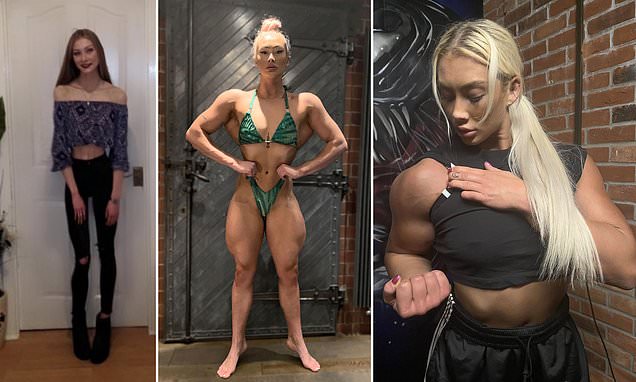
Alix Small documented her experience with body image and recovery alongside her development as an athlete.
That’s the part I wish more people understood.
The Stage Cannot Give You Self-Worth
I want to speak directly to the woman who believes competing will finally make her feel confident about her body.
I understand why you might feel that way.
Perhaps you’ve spent years feeling uncomfortable in your skin, or you’ve reached a point in life where your body is changing and you’re trying to regain a sense of control.
Then you discover bodybuilding.
You see women transforming their physiques and stepping onto a stage with tremendous confidence. There’s something appealing about the idea of setting a difficult goal and accomplishing something you once thought was impossible.
And competing may turn out to be a wonderful experience for you.
But I want you to understand something before you begin.
A bodybuilding competition is not a treatment for poor body image.
If your self-worth is already deeply tied to your appearance, competing can actually intensify that relationship.
Bodybuilding is a subjective sport. You can follow your program, prepare meticulously, and bring the best physique you’ve ever had to the stage without winning.
You have no control over who else enters the competition or how the judges ultimately rank the competitors.
Now imagine someone who already struggles with feelings of inadequacy.
She spends months preparing, makes considerable sacrifices, and arrives at the competition believing that all of her hard work will finally give her the validation she’s been searching for.
And she places fifth.
For someone with a healthy relationship with competition, that disappointment may become an opportunity to evaluate her progress and decide what to improve.
But for someone whose sense of worth is deeply invested in the outcome, the experience can reinforce feelings of failure.
She may begin questioning whether she was lean enough or whether she should have pushed herself harder. Before long, the answer becomes another competition, a more restrictive diet, or increasingly aggressive measures to change her physique.
Not necessarily because those things are required to become a better athlete, but because she believes the next achievement will finally make her feel good enough.
And that’s a dangerous place to live.
If you need a trophy to prove that you’re worthy, what happens when you don’t win?
The Problem With an Industry That Celebrates Extremes
Bodybuilding has always involved pushing physical limits. I understand that because I’ve lived it.
I’ve competed at the professional level, including the Olympia, and I know the work required to develop a competitive physique.
But there’s a difference between pursuing excellence and accepting unnecessary harm as the price of admission.
I’ve watched the culture around competing become increasingly comfortable with extreme approaches. Some competitors attempt to maintain stage-level leanness throughout the year, while others move from one contest prep into another without giving themselves adequate time to recover.
There’s also the pressure surrounding performance-enhancing drugs, particularly when women are made to believe that using anabolic steroids is simply part of what it takes to become successful.
And then there are coaches who interpret every struggle as a lack of commitment.
But not every struggle is a discipline problem.
Sometimes an athlete is exhausted because the demands being placed on her are no longer appropriate. She may need more recovery, a different competitive timeline, or support that has nothing to do with changing her physique.
The difficulty is that an industry built around rewarding extraordinary physical results doesn’t always recognize when the pursuit of those results has become destructive.
We’ve Had This Conversation Before
Last year, I made a video about the death of Jodi Vance, another young competitor whose passing prompted serious conversations about contest preparation, performance-enhancing substances, and the health risks associated with competitive bodybuilding.
Her circumstances were different from Alix’s, and there’s no reason to assume the two deaths had the same cause.
But both stories have brought difficult questions about athlete welfare back into public discussion.
I don’t believe those conversations should happen only when someone dies.
Your Coach Should Care About More Than Your Physique
The relationship between a competitor and her coach matters tremendously.
When you’re preparing for a competition, you’re trusting someone to guide decisions that can have a significant impact on your physical and emotional well-being.
I’ve heard stories of competitors being shamed for eating off-plan or pressured toward aggressive protocols they weren’t comfortable with. That kind of treatment shouldn’t be confused with serious coaching.
I intentionally work with a limited number of competitors because I want to know the women I’m coaching and understand how they’re responding to the process.
Some of my clients have stayed with me through multiple competitive seasons, earning professional qualifications and reaching national-level competition. That kind of development takes time.
But my responsibility isn’t simply to help someone arrive onstage looking a certain way.
It’s also to recognize when the process needs to change.
Sometimes that means adjusting a program, and sometimes it means advising someone to wait another season before competing.
A good coach should be willing to protect your long-term interests, even when that means telling you something you don’t want to hear.
Learning When to Step Away
One of the most damaging ideas in competitive bodybuilding is that taking a break somehow means you’ve failed.
I don’t believe that.
You can love the sport and still recognize that competing every year isn’t necessarily in your best interest.
Your relationship with bodybuilding should be able to evolve as your life changes. And for women who are navigating hormonal transitions, demanding careers, or other responsibilities, that flexibility becomes particularly important.
But these concerns aren’t limited to women over 40.
Eating disorders and unhealthy relationships with exercise can affect women at any age, including experienced competitors who appear successful and confident.
That’s why I encourage athletes to pay attention to how they’re experiencing the process rather than evaluating everything through the lens of physical results.
If your training has become something you dread, or your nutrition plan is creating constant anxiety, those feelings deserve attention.
The same is true if you’re terrified of gaining weight during the off-season or feel that your identity disappears when you’re no longer preparing for a show.
Those experiences shouldn’t simply be dismissed as part of the price of competing.
What Alix Small’s Story Leaves Me Thinking About
I keep coming back to Alix.
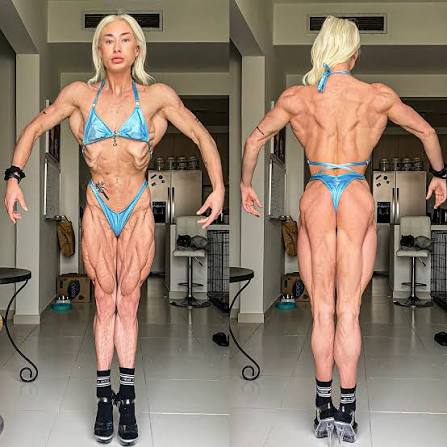
Alix Small during her bodybuilding journey.
A young woman who experienced a serious eating disorder, found something meaningful in strength training, and achieved remarkable things in competitive bodybuilding.
I don’t know the circumstances of her death, and I won’t pretend that I do.
But I recognize the complexity of her story because I know what it feels like to find freedom through physical strength after struggling with food and body image.
And I also know that recovery isn’t always a straight line.
For some women, bodybuilding becomes part of a healthier relationship with their bodies. For others, the competitive environment may introduce pressures that make existing vulnerabilities harder to manage.
Both realities deserve to be acknowledged.
When I think about that young competitor I coached more than a decade ago, I still remember her question.
“How can you help me?”
I couldn’t solve everything she was struggling with. I had to recognize that some things were beyond my role as a coach.
But that experience taught me something I carry into my work today.
The person standing in front of me will always matter more than the physique I’m helping her build.
I love bodybuilding. I love what it taught me about strength and what the human body is capable of accomplishing. Helping women discover that for themselves remains one of the most rewarding parts of my work.
But I don’t believe a woman should have to sacrifice her health or her sense of self-worth to prove she belongs in this sport.
Winning a title is an achievement, but so is developing a healthier relationship with food after years of struggling. Learning to recognize when your body needs rest is valuable, even if nobody hands you a trophy for it.
And sometimes, stepping away from competition is the decision that allows a woman to rediscover what she loved about bodybuilding in the first place.
My hope is that Alix is remembered for more than the circumstances surrounding her death. She was a young woman whose life and accomplishments mattered.
And if her story encourages more thoughtful conversations about mental health and competitive bodybuilding, I believe that’s something worth pursuing.
Because ultimately, that’s what Redefining Bodybuilding means to me.
It’s about helping women build strong, capable bodies without losing sight of the people they are outside the gym.
The goal should be a physique you can be proud of and a life you can enjoy living in it.
Thinking About Competing? Let’s Talk About Your Long-Term Goals.
Private Contest Prep & Physique Coaching with Roxie Beckles
Whether you’re preparing for your first competition, working toward a professional qualification, or deciding whether competing is the right next step, I’d love to have a conversation with you.
As an IFBB Pro and veteran coach, my approach goes beyond getting you stage-ready. I focus on individualized training and nutrition, realistic competitive timelines, and developing a physique you can continue building long after your competition.
I work with a limited number of women because I believe meaningful coaching requires personal attention and thoughtful planning.
BOOK YOUR COMPLIMENTARY CLARITY CALL
Your physique matters. Your health and your life beyond the stage matter more.
A note about support: If you’re experiencing disordered eating, compulsive exercise, or significant distress around food or body image, please seek support from a qualified mental health professional or eating-disorder specialist. Contest-prep coaching is not a substitute for treatment.
I’d love to hear your thoughts: Have you ever experienced a point where bodybuilding stopped feeling empowering and started feeling like an obligation? What helped you recognize that distinction?